

Low-dose atropine is one of the most researched and reliable tools in modern myopia management. For many children, a nightly drop can help slow the rate of eye growth and reduce the long-term risks linked to higher levels of nearsightedness.

Atropine For Managing Myopia
Myopia progresses as the eye continues to grow longer than average. Atropine eye drops help regulate that growth. When used consistently, low-dose atropine can slow how quickly a child’s prescription increases, especially during the rapid growth years of elementary and middle school.
The eye drops do not replace glasses or contacts; your child will still use their normal prescription lenses during the day, but atropine works quietly in the background as part of a broader plan to protect long-term eye health.
Who Is a Candidate for Atropine?
Atropine may be recommended when:
-
Your child’s prescription is increasing more quickly than expected
-
There is a strong family history of moderate or high myopia
-
Glasses alone aren’t enough to control progression
-
Your child is not ready for contact lens–based myopia treatments
It is also a helpful option for families who prefer a non-contact lens approach or want a low-maintenance addition to an existing myopia plan.
What to Expect When Starting Myopia Treatment
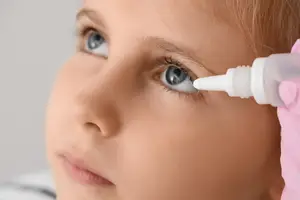
Children use one drop in each eye at bedtime, and families often report that incorporating the drops into their existing evening routines makes it easy to maintain.
Side effects are typically mild. Some children experience temporary light sensitivity or need reading support, but these effects often resolve or can be managed with simple adjustments. As always, our team is available to answer questions between visits if anything feels new or unexpected.

FAQs About Atropine Drops
How effective is low-dose atropine? Multiple clinical studies show that low-dose atropine can significantly slow myopia progression in many children. While every child responds differently, atropine is often most effective when started early and monitored regularly.
Will my child still need glasses or contact lenses? Yes. Atropine helps slow prescription changes but does not correct vision on its own. Your child will continue to wear their usual lenses during the day for clear vision.
Can atropine be combined with other myopia treatments? Yes. In certain cases, atropine can complement options like specialty contact lenses or myopia-control glasses.
How often are follow-up visits? We typically see children every 3–6 months to review prescription changes, evaluate eye health, and confirm that treatment is working as expected.

Starting atropine drops is a simple step, but it works best with steady guidance and regular check-ins. At Eye Rx — Chevy Chase, we take time to explain your child’s progress, answer questions, and keep your family informed at every stage. If you’re noticing rapid changes in prescriptions or want to explore whether atropine is the right fit, our myopia care team is here to help.